

Quick Summary:
- Prevents costly leaks: Regular checks help identify leaks, damaged joints and weak points before they cause major property damage.
- Controls corrosion: Routine inspections can detect rust and corrosion early, helping extend the lifespan of pipework.
- Reduces unexpected breakdowns: Scheduled maintenance helps prevent blockages, pressure issues and sudden piping failures.
- Improves safety and efficiency: Well-maintained pipework supports reliable operations and reduces risks in commercial and industrial properties.
- Extends system lifespan: Preventive care helps pipes, fittings and related components perform properly for longer, reducing the need for premature replacement.
A building can have good electrical systems, strong structures and modern equipment, but problems with its water or industrial pipework can still cause major disruption. This is why regular piping maintenance should be part of every property’s upkeep plan.
Why Does Piping Maintenance Matter?
Pipes are often hidden behind walls, below floors, inside ceilings or within plant areas. Because of this, a problem may continue for some time before anyone notices it. A small leak can gradually damage surrounding surfaces, while corrosion can weaken a pipe without creating an obvious problem at first.
Regular maintenance provides an opportunity to identify these issues early. Instead of dealing with an emergency after a pipe bursts, property owners can schedule inspections and repairs at a suitable time.
This approach is particularly useful for factories, commercial buildings, warehouses, residential developments, hotels and other properties that depend on reliable water or fluid transportation.
Protecting Piping Systems From Common Problems
Different buildings face different pipe-related issues. Some may experience frequent leaks, while others may have corrosion, pressure fluctuations, blockages or ageing components.
In Malaysia, high humidity and frequent exposure to moisture can make corrosion an important concern, especially in areas where metal pipes are exposed to the surrounding environment. Poor installation, chemical exposure and lack of maintenance can also contribute to deterioration.
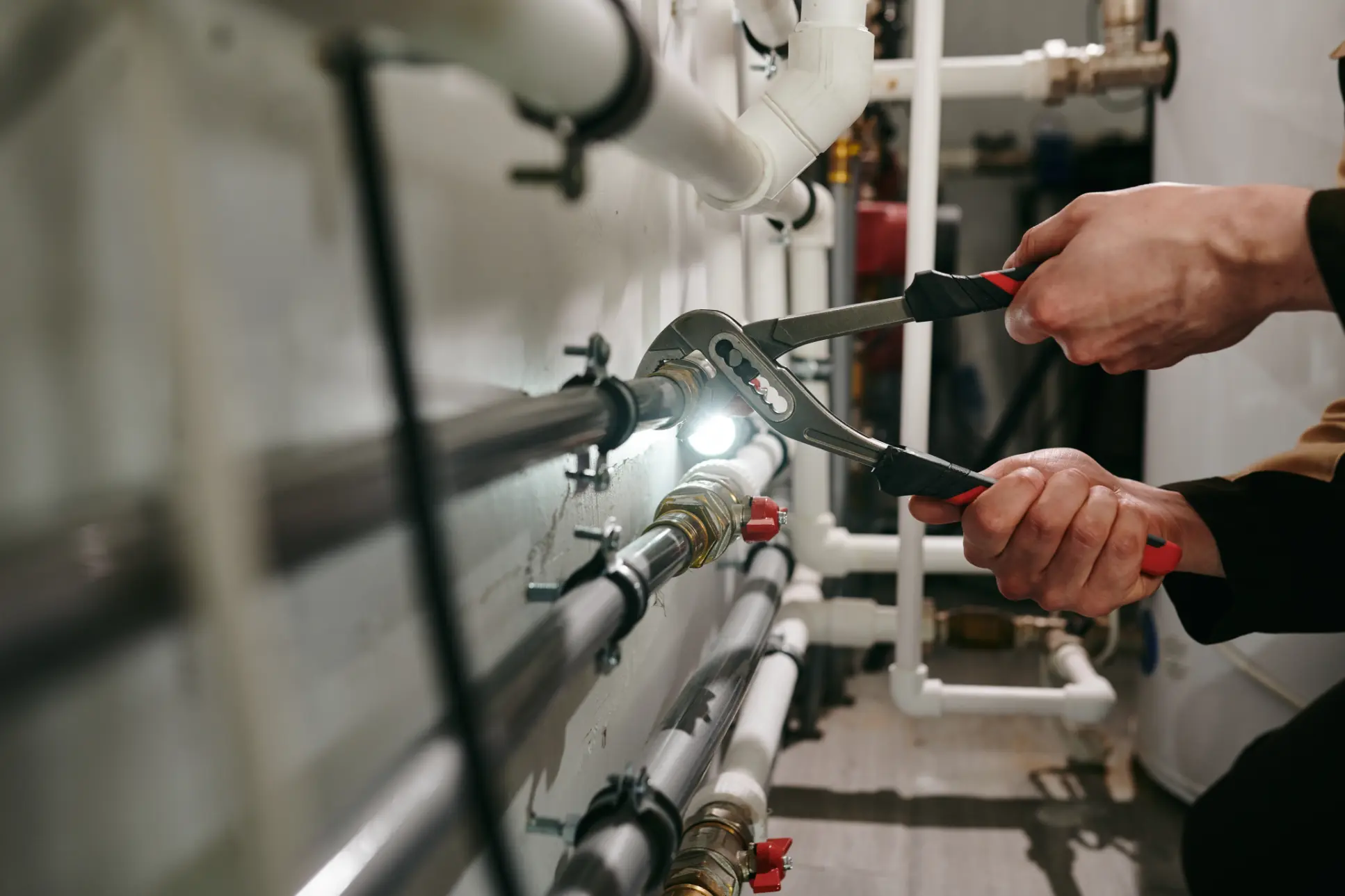
A proper maintenance routine allows technicians to check pipe condition, joints, valves, fittings and visible connections. These checks can help identify areas that require attention before the problem affects the wider system.
Early Inspection Can Reduce Repair Costs
One of the biggest advantages of maintenance is early problem detection. Finding a damaged joint during a scheduled inspection is normally easier to manage than responding to a sudden pipe failure.
Professional Piping Inspection and Assessment can help determine the condition of accessible pipework and identify areas showing signs of wear, corrosion or damage. Depending on the property, an assessment may include visual checks, checking connections and reviewing areas where moisture or deterioration has been observed.
Early detection does not mean every pipe needs immediate replacement. Instead, it gives property owners better information so they can decide whether monitoring, repair, protection or replacement is appropriate.
Corrosion Is a Problem That Should Not Be Ignored
Corrosion can gradually reduce the strength and service life of metal pipework. Once corrosion becomes significant, it may lead to leaks, weakened sections or eventual pipe failure.
Regular cleaning, inspection and suitable protective measures can help manage this risk. In industrial environments, the surrounding conditions should also be considered because chemicals, moisture and temperature can influence how quickly materials deteriorate.
Professional Corrosion Control Solutions may include identifying the source of corrosion, preparing affected surfaces and applying suitable protective systems. The correct approach depends on the pipe material, location, operating conditions and level of deterioration.
Surface Preparation and Protective Coating
Painting a pipe is not simply a matter of applying a new coat over an old surface. If rust, dirt, moisture or loose material remains underneath, the coating may not adhere properly.
Pipe Surface Preparation is therefore an important part of effective pipe protection. The surface needs to be cleaned and prepared according to the condition of the pipe and the coating system being used.
Following preparation, Protective Pipe Painting can provide an additional barrier against environmental exposure. A suitable coating can help protect exposed pipework and improve its overall appearance, particularly in commercial and industrial areas.
Property owners should also remember that coatings have a service life. They need to be inspected and maintained rather than treated as a permanent solution.
When Should Pipes Be Repaired?
Not every pipe problem requires complete replacement. In some situations, a targeted repair may be sufficient to restore the affected section and prevent further damage.
Professional Pipe Repair Services can be useful when dealing with leaks, damaged sections, deteriorated joints or other localised problems. The appropriate repair method depends on the pipe material, size, location, operating conditions and extent of damage.
Getting a problem assessed before choosing a repair method is important. A temporary fix may not be suitable for a pipe that has widespread corrosion or structural deterioration.
Plan Ahead With Regular Piping Maintenance
Regular piping maintenance is a practical investment in the safety, reliability and longevity of a property. Early inspection can identify developing problems, while proper repair, surface preparation and protective measures can help extend the useful life of pipework.
For businesses and property owners looking for professional support, Maxinfra’s piping maintenance service provides a suitable starting point for understanding available maintenance solutions. If you have concerns about ageing pipes, corrosion, leaks or recurring maintenance issues, you can contact Maxinfra to discuss your requirements.
FAQs:
1. How often should piping maintenance be done in Malaysia?
The frequency depends on the property’s age, pipe material, usage and operating environment. Commercial and industrial properties may benefit from regular inspections, particularly where pipework is exposed to moisture, chemicals or high operating temperatures.
2. What are the common signs of pipe damage?
Common warning signs include leaks, rust, damp patches, unusual noises, reduced pressure, recurring blockages and damaged protective coatings. Identifying these signs early can help prevent more serious problems.
3. Can regular maintenance prevent pipe replacement?
Regular maintenance can help extend the service life of pipework and reduce premature replacement. However, severely damaged, ageing or extensively corroded pipes may eventually require replacement.
4. How can corrosion affect piping systems?
Corrosion can gradually weaken metal pipework and may eventually result in leaks, holes or pipe failure. Regular inspections and suitable protective measures can help identify and manage corrosion before it becomes severe.
5. Why is preventive piping maintenance important for businesses?
Preventive maintenance helps businesses identify potential problems before they cause major disruption. It can reduce emergency repair requirements, support safer operations and make maintenance costs easier to plan.