

Quick Summary:
- Sewerage maintenance in Kuala Lumpur involves regular inspection, desludging, and cleaning of drain lines and sewage treatment plants (STPs) to prevent blockages, bad odour, and flooding.
- Property owners are legally responsible for maintaining private STPs and septic systems under the Environmental Quality (Sewage) Regulations 2009.
- The most effective method for clearing stubborn blockages is high-pressure water jetting, which flushes out grease, roots, and sediment without damaging pipes.
- For best results, homes should schedule drain checks yearly, while commercial buildings and STPs need quarterly or monthly servicing depending on usage.
Why Sewerage Maintenance Is a Big Deal in KL
Kuala Lumpur’s rapid urban growth, combined with tropical downpours almost every other day, puts a lot of pressure on drainage systems across the city. Older neighbourhoods like Bangsar, Cheras, and parts of the city centre still run on ageing pipework, while newer condos and commercial buildings often rely on privately owned sewage treatment plants that need consistent upkeep. When maintenance is skipped, the result is usually the same story: blocked drains, foul smells, slow-draining sinks, and in worse cases, sewage backing up into common areas or car parks.
If your property has its own STP or septic tank, the maintenance duty falls on you as the owner. This is a point a lot of property managers only discover the hard way, usually after receiving a compliance notice from the Department of Environment.
Common Signs Your Sewer Line Needs Attention
You do not need to be a plumber to spot trouble early. Look out for these signals:
- Water draining slower than usual in sinks, showers, or floor traps
- Gurgling sounds coming from pipes after flushing
- A persistent bad smell near drains, manholes, or the compound
- Water pooling around outdoor drain covers, especially after rain
- Repeated blockages in the same spot, even after basic clearing
Any of these on their own might seem minor, but together they usually point to a build-up of grease, silt, or root intrusion somewhere in the line. Ignoring them tends to turn a simple fix into an expensive one.
How High-Pressure Water Jetting Works
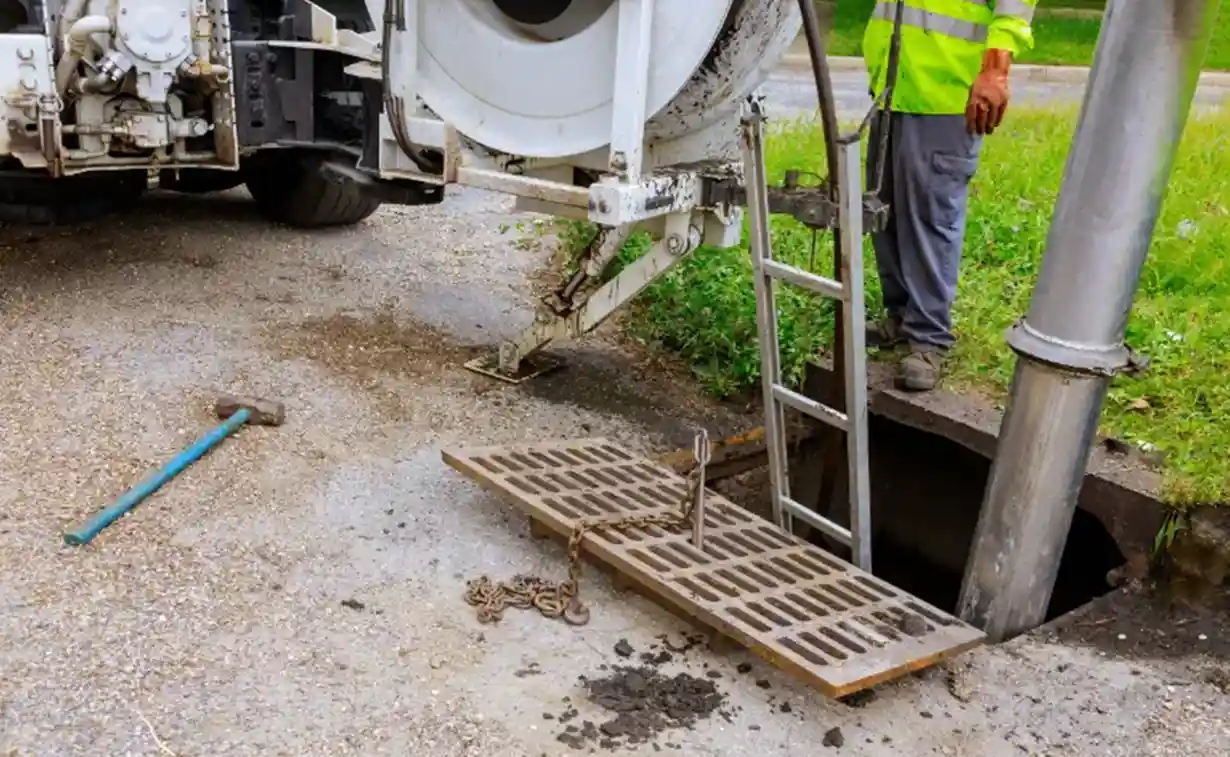
One of the more reliable techniques used today is high-pressure water jetting, and it has genuinely become a preferred method among professional teams because it clears pipes without cutting into walls or floors. A specialised nozzle sends a controlled, strong stream of water through the pipe, breaking apart grease, sludge, and mineral build-up while pushing debris out toward the main line. This process cleans the entire inner wall of the pipe rather than just clearing a path through the blockage, which means the line stays clear for longer.
For older KL properties with cast iron or clay pipes, this method tends to be gentler, since it relies on water pressure rather than physical force against the pipe wall. Many sewerage drain cleaning services now pair jetting with CCTV pipe inspection, so technicians can actually see what caused the blockage before and after the job, rather than guessing.
STP Maintenance: What Building Owners Often Miss
If your property has its own sewage treatment plant, whether it serves a single commercial block or an entire residential development, maintenance is not optional. Under Malaysia’s Environmental Quality (Sewage) Regulations, discharge from the plant must meet strict Standard A or Standard B limits before it leaves the premises, and non-compliance can lead to fines or worse, a stop-operation order. Proper STP maintenance services typically cover desludging, aeration system checks, motor and blower servicing, effluent quality testing, and keeping maintenance records ready for inspection.
A lot of property owners assume this responsibility sits elsewhere simply because a bigger public network runs nearby. That assumption can get expensive fast, since a private STP is the owner’s legal responsibility, and a Certified Environmental Professional is required to oversee its operations under current guidelines.
Planning a Maintenance Routine That Works
Getting sewerage maintenance right is less about reacting to problems and more about building a routine around them. A good starting point is a proper site assessment, so you know exactly what condition your pipes and treatment systems are in before committing to any work. From there, CCTV inspection helps confirm the actual cause of recurring issues instead of just treating the symptoms. For properties with an STP, this routine should also include scheduled desludging and effluent testing, since these are the checks most likely to get missed until an inspection forces the issue.
For homeowners, businesses, and property managers around the Klang Valley, it helps to work with a team that handles the full scope, from residential drain cleaning to STP servicing, so the compliance side and the mechanical side are covered under one plan. You can see the full scope of our sewerage services in KL to get an idea of what a proper end-to-end maintenance routine should include.
Prevention Tips That Actually Help
- Avoid pouring cooking oil or grease down the sink; let it cool and bin it instead
- Install strainers on floor drains and kitchen sinks to catch debris
- Schedule a professional inspection at least once a year for homes, and quarterly for commercial buildings
- Keep manholes and drain covers accessible, not buried under renovation debris or landscaping
- Address slow drainage immediately rather than waiting for a full blockage
Wrapping Up
Sewer problems rarely announce themselves loudly until they become a genuine mess, so a bit of routine care goes a long way in a city like Kuala Lumpur where heavy rain and ageing infrastructure are part of daily life. Whether you need a one-off drain clearing job or an ongoing plan for STP maintenance, working with a team that understands both the technical and regulatory side of sewerage services makes the process far less stressful. If your drains have been acting up, or it has simply been a while since your last inspection, it is worth reaching out to a specialist before a small issue turns into a costly one. You can contact us to arrange an assessment and get a straightforward answer on what your property actually needs.
Frequently Asked Questions
- How often should sewer lines be cleaned in Kuala Lumpur? Homes generally do fine with an annual inspection and clean, while restaurants, commercial buildings, and properties with private STPs should aim for quarterly servicing due to heavier usage.
- Who is responsible for maintaining a private STP in Malaysia? The property or building owner is legally responsible for maintaining a privately owned sewage treatment plant, as required under the Environmental Quality (Sewage) Regulations.
- What causes most sewer blockages in KL homes? Grease build-up, flushed wipes or sanitary items, tree root intrusion, and sediment accumulation are the most common culprits behind recurring blockages.
- Is high-pressure water jetting safe for old pipes? Yes, when done by trained technicians who adjust the pressure according to pipe material and condition, jetting is generally gentle enough for older clay or cast iron lines.
- How do I know if my sewage smell is coming from a blocked drain or a failing STP? A localised smell near one drain usually points to a blockage, while a persistent odour across the whole property, especially near the treatment plant, often signals an STP performance issue that needs professional testing.