

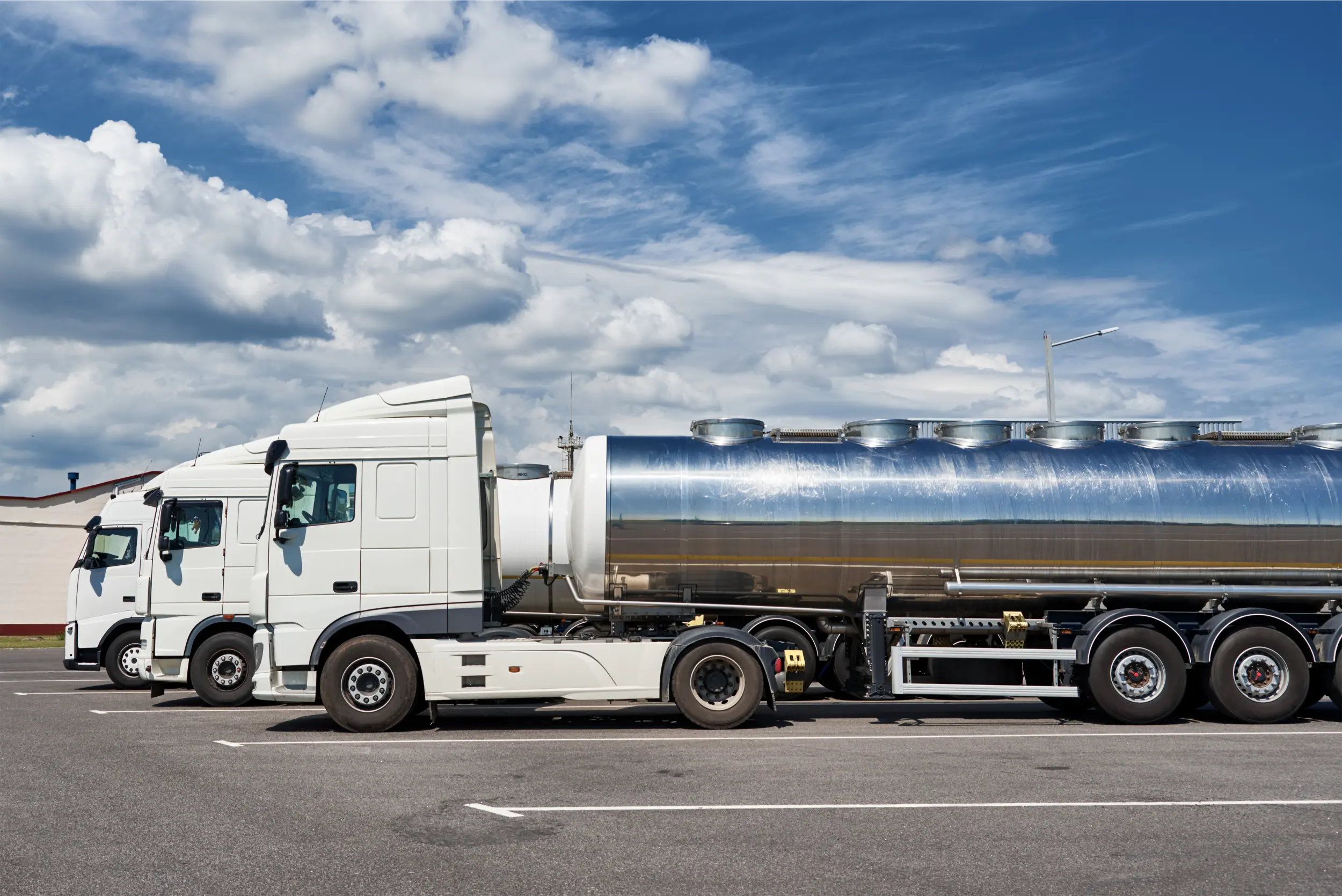

Quick Summary:
- Emergency Water Supply: Water tankers help provide water during temporary supply interruptions or emergencies.
- Construction Projects: They supply water for construction sites where permanent water infrastructure is unavailable.
- Commercial and Industrial Use: Factories, commercial buildings and businesses use tankers to support their daily water needs.
- Residential and Agricultural Needs: Tankers can deliver water to homes, farms and agricultural areas with limited water access.
- Tanker Size Selection: The required tanker capacity depends on water consumption, available storage, delivery location and intended use.
Water tankers play an important role in Malaysia when homes, businesses, construction sites and other locations need a reliable water supply. This blog explains the common uses of water tankers across Malaysia, including emergency water supply, construction activities, commercial operations, industrial needs, agriculture, events and residential requirements. It also looks at how bulk water supply, water delivery services and temporary water solutions can support different types of properties. By understanding these uses, property owners, contractors and businesses can better plan their water requirements and choose a suitable tanker solution when their regular water source is unavailable or insufficient.
1. Emergency Water Supply During Water Shortages
Unexpected water interruptions can affect homes, offices, factories, restaurants and other properties. When the normal supply is temporarily unavailable, a tanker can provide additional water to help people continue essential activities.
This is especially useful for properties that depend on storage tanks for toilets, cleaning, food preparation and general operations. Instead of waiting for the regular supply to return, property owners can arrange a delivery according to their immediate requirements.
An emergency water supply can be particularly valuable for businesses where a prolonged water interruption could affect normal operations.
2. Water Supply for Construction Sites
Construction projects require water for a wide range of activities. Contractors may need water for concrete mixing, equipment cleaning, dust control and general site maintenance.
Some construction sites may not have a permanent water connection, particularly during the early stages of development. In such situations, tanker deliveries can provide a practical temporary solution.
For large developments, contractors may schedule deliveries based on the project timeline and estimated consumption. This makes water tanker services Malaysia a useful option for construction companies working across different locations.
If you are looking for a suitable solution for a project, you can learn more about MaxInfra’s water tanker service and the types of requirements that can be supported.
3. Supporting Commercial Buildings
Hotels, restaurants, offices, shopping centres and other commercial properties require a consistent water supply for their daily activities. Even a short interruption can create difficulties for employees, customers and building management.
A tanker can help maintain water levels in storage tanks when the normal supply is interrupted or when additional water is temporarily required.
For commercial property managers, planning the required quantity in advance can make the delivery process easier. Factors such as building size, occupancy and daily water consumption can help determine the appropriate requirement.
A dependable commercial water supply can also help businesses reduce disruption during unexpected situations.
4. Industrial and Factory Water Requirements
Factories and industrial facilities can have considerably higher water requirements than ordinary residential properties. Water may be used for cleaning, processing, equipment maintenance, cooling and other operational activities.
When the existing supply cannot meet demand, tanker deliveries can provide additional support. This can be useful for industrial locations where water infrastructure is still being developed or where temporary additional capacity is required.
Businesses should consider their daily consumption, storage facilities and delivery frequency when planning an industrial water supply.
5. Water for Events and Temporary Venues
Malaysia hosts many outdoor events, festivals, sporting activities, exhibitions, weddings and community programmes throughout the year. Temporary venues may not always have sufficient water infrastructure to meet increased demand.
A tanker can supply water to suitable storage facilities at the event location. This can help organisers manage water requirements for cleaning, facilities and other approved uses.
Event organisers should consider the number of attendees, duration of the event and available storage capacity before arranging a delivery.
For larger events, having a planned temporary water supply can help organisers prepare for changing water requirements.
6. Agriculture and Plantation Activities
Agricultural properties and plantations may require water for irrigation, livestock care, cleaning and other farming activities. During periods when available water sources are limited, tanker deliveries can provide additional support.
The amount required will depend on factors such as the size of the property, type of crops, livestock numbers and existing storage facilities.
Farm owners can plan deliveries based on their operational requirements instead of relying entirely on a single water source. For certain properties, agricultural water supply can provide useful temporary support during periods of increased demand.
7. Refilling Water Storage Tanks
Water storage tanks are commonly used by homes, businesses and other properties to maintain a reserve. When stored water becomes low, a tanker can be used to refill the tank.
This is particularly useful for properties with high consumption or locations experiencing temporary interruptions. Before arranging delivery, it is important to know the tank’s capacity and estimate how much water is required.
Property owners should also pay attention to tank condition. Clean and properly maintained storage systems can support better water management.
This is where water tank maintenance becomes an important part of responsible water storage.
8. Drinking Water Requirements
Water intended for drinking or direct consumption requires careful consideration. Customers arranging drinking water delivery should clearly communicate the intended use to the supplier before confirming the service.
This can be relevant to workplaces, events, hospitality businesses and other locations where people may consume the supplied water.
Customers should check the applicable supply arrangements, source and handling practices when water is intended for drinking. Clear communication helps ensure that the appropriate type of water supply is arranged.
9. Residential Water Requirements
Water tanker services can also support residential properties. Homeowners may require temporary water during supply interruptions, maintenance work or unexpected situations.
Landed homes, apartments, housing developments and larger residential properties may use storage tanks to maintain a reserve. When these tanks become low, a tanker can provide additional water to help residents manage essential household activities.
For residential requirements, providing accurate information about the property location, storage capacity and estimated water requirement can make the delivery process more efficient.
10. Water Support for Remote Locations
Some properties and work sites may be located away from established water infrastructure. Rural developments, temporary work areas, plantations and certain construction locations may have limited access to a permanent water connection.
In these situations, tanker delivery can bring water directly to a suitable storage point at the location.
A reliable water supply Malaysia solution can therefore be useful for both developed areas and locations where permanent infrastructure is still being established.
Choosing the Right Water Tanker Solution
Before arranging a tanker, it is important to understand the actual requirement. The amount of water needed, purpose of the supply, delivery location and available storage capacity can all affect the type of service required.
Businesses and contractors should also consider whether the requirement is a one-time delivery or an ongoing arrangement. Planning ahead can make it easier to maintain sufficient water levels and reduce unnecessary disruption.
It is also helpful to work with a service provider that understands different residential, commercial, industrial and construction requirements.
For more information, you can explore MaxInfra’s water tanker services and review the available solution for your location.
Why Water Tankers Are Useful Across Malaysia
Malaysia has a wide range of properties and industries with different water requirements. Urban buildings may need temporary support during supply interruptions, while construction sites and rural locations may require water because permanent infrastructure is not yet available.
Water tankers provide flexibility by transporting water to locations where additional supply is required. They can support emergency situations, planned projects, commercial operations, events and agricultural activities.
The demand for practical water supply solutions also makes proper planning important. Property owners and businesses can assess their storage capacity, daily consumption and possible emergency requirements before a shortage occurs.
For organisations that depend heavily on water, having a clear contingency plan can make it easier to respond when the normal supply is interrupted.
Water Tank Cleaning and Better Water Storage
Supplying water is only one part of effective water management. Storage tanks should also be inspected and maintained regularly to support proper storage conditions.
Over time, sediment, dirt and other contaminants can accumulate inside a tank if it is not cleaned properly. Regular maintenance can help property owners identify issues and maintain the condition of their storage systems.
For properties that depend on stored water, arranging Water Tank Cleaning Services as part of a wider maintenance routine can be a practical step. Cleaning requirements may vary depending on the tank type, usage and surrounding environment.
Planning Your Water Delivery Needs
Water tankers have many practical uses across Malaysia. They can support construction sites, commercial buildings, factories, agricultural properties, events, residential areas and locations experiencing temporary water shortages.
Choosing a suitable tanker solution depends on the amount of water required, intended use, storage capacity and delivery location. For drinking requirements, customers should clearly communicate their intended purpose when arranging drinking water delivery. Regular tank maintenance can also help support better storage practices.
If you need more information about water tanker requirements or want to discuss a suitable solution for your property or project, visit the MaxInfra Contact Us page to make an enquiry.
FAQs:
1. What are water tankers commonly used for in Malaysia?
Water tankers are used for emergency supply, construction sites, commercial properties, factories, agriculture, events and residential locations that need temporary or additional water.
2. Can water tankers supply water to construction sites?
Yes. Tankers can support construction activities where water is required for concrete work, equipment cleaning, dust control and general site operations.
3. When does a business need a water tanker?
A business may require a tanker during temporary water interruptions, maintenance work, increased demand, construction activities or when its existing supply cannot meet requirements.
4. Are water tankers suitable for events?
Yes. Events such as weddings, festivals, sports activities and outdoor programmes may require temporary water support when existing facilities cannot meet demand.
5. What should I consider before arranging a water tanker?
Consider the required quantity, intended use, delivery location, storage tank capacity and delivery schedule. If the water is intended for drinking, communicate this requirement clearly to the supplier.